
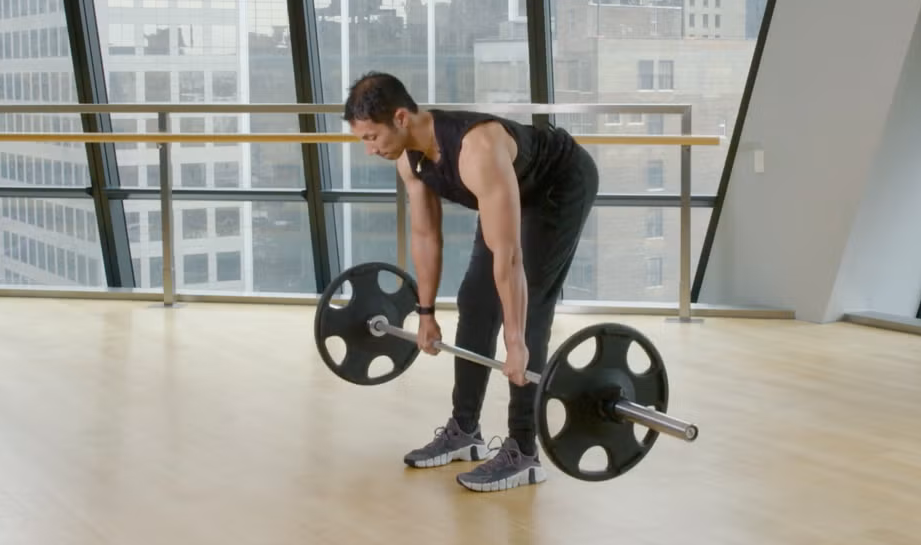
Stiff-Leg Deadlift (SLDL) — The Ultimate Posterior-Chain Stretch-Tension Builder
The Stiff-Leg Deadlift (SLDL) is one of the most brutally effective movements for building a thick, dense, powerful posterior chain.
While it resembles the Romanian Deadlift at first glance, the SLDL is a distinct exercise with a longer range of motion, deeper stretch, and significantly higher tension on the hamstrings, erectors, and upper glutes.
When performed correctly, it’s one of the most potent bodybuilding movements for developing lower-back density, hamstring sweep, and the kind of locked-in hinge strength that carries over to everything from your deadlift to your squat.
But because it’s also one of the most misunderstood hinge variations—with lifters often confusing it with the RDL—it’s essential to break down exactly what the SLDL is designed to do, how it differs biomechanically, and how you can program it for maximum posterior-chain growth while keeping your lower back healthy.
If you want an exercise that builds the kind of lower-back thickness bodybuilders are known for—and hamstrings that look like they’re carved from marble—the Stiff-Leg Deadlift needs to be in your rotation.
What the Stiff-Leg Deadlift Works
Primary Muscles Targeted
- Hamstrings (long head dominant)
- Spinal erectors (lower and mid-back)
- Glute max (upper fibers especially)
Secondary Muscles
- Glute medius
- Lats and traps (isometric support)
- Forearms (grip)
- Mid-back stabilizers
- Core musculature (anti-flexion)
Why Bodybuilders Use It
The SLDL is a stretch-mediated hypertrophy monster. The extreme lengthened position loads the hamstrings under a tension curve that no machine can replicate.
At the same time, the lower-back is forced to isometrically lock the spine in position, which creates growth-driving mechanical tension and resilience.
This combination makes the SLDL one of the highest-return exercises in all of posterior-chain training.
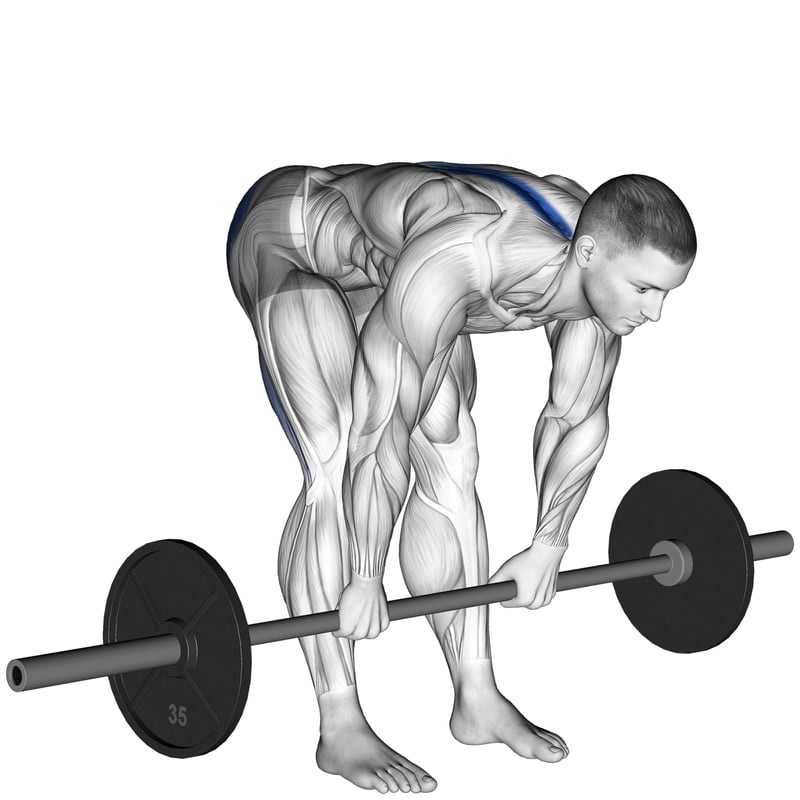
Stiff-Leg Deadlift vs. Romanian Deadlift: The Key Differences
These two movements are often confused, but they create very different outcomes in terms of biomechanics and hypertrophy.
- Knee Bend
- SLDL: Minimal knee bend (5–15 degrees).
- RDL: Moderate knee bend (20–30 degrees).
This makes the SLDL much more hamstring- and erector-dominant.
- Bar Path
- SLDL: Bar travels significantly lower (often to mid-shin or even the floor depending on mobility).
- RDL: Bar travels to just below the knee or mid-shin at most.
- Hip Mechanics
- SLDL: Hips start higher and travel further back and down.
- RDL: Hips start lower and move back without descending as much.
- Stretch Tension
- SLDL: Maximum possible stretch-tension on the hamstrings.
- RDL: Strong stretch, but less extreme.
- Lower Back Involvement
- SLDL: High spinal erector isometric loading
- RDL: Moderate to high, depending on weight
If your goal is lower-back thickness, hamstring structure, and a barbarian-level posterior chain, the Stiff-Leg Deadlift is the more powerful hypertrophy tool.
How to Perform the Stiff-Leg Deadlift (Perfect Bodybuilder Form)
This step-by-step guide emphasizes bodybuilding mechanics—maximum tension, clean lines, and strict technique.
- Set Up
- Stand with the bar directly over your mid-foot.
- Grip just outside your legs.
- Take a deep breath and brace your core hard.
- Slight knee bend—only enough to stop your knees from locking out.
- Hips high, spine long, chest pulled through slightly.
Think: “Strings pulling my hips up, hamstrings tight like cables.”
- Lowering Phase (The Stretch Builder)
This is where 90% of the magic happens.
- Push your hips way back.
- Keep your knees nearly fixed.
- Let the bar drift down your legs.
- Maintain a hard arch/neutral spine throughout.
- Lower until your hamstrings reach their maximum tension limit.
Depth Tip:
Your individual flexibility determines how far you go—some lifters hit the floor, others reach mid-shin. Don’t chase range of motion at the expense of spinal position.
Final position should feel like:
- Hamstrings on fire
- Erectors braced
- Glutes ready to snap back into extension
- The Concentric (Lift)
- Drive your heels into the floor.
- Squeeze your hamstrings and glutes like you’re “cracking a walnut.”
- Lift the bar along the legs.
- Lock out fully with your glutes—not your lower back.
- Lockout Mechanics
At the top:
- Knees are soft
- Glutes are tight
- Lower back is neutral
- Shoulders are down and back
No hyperextension.
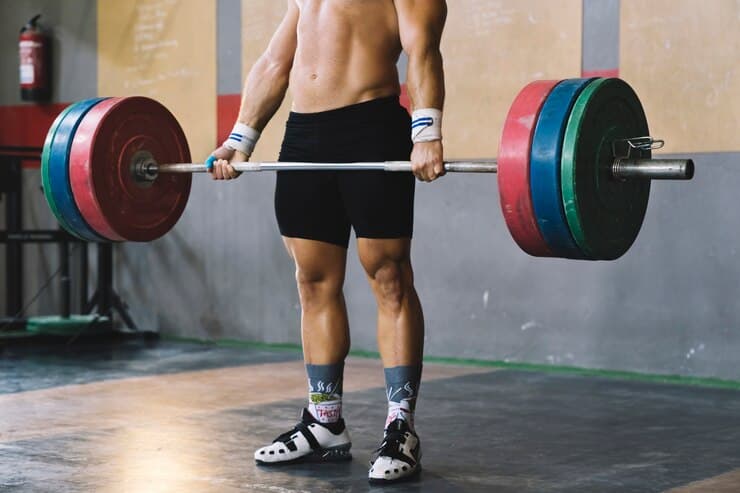
Common Mistakes to Avoid
❌ Mistake #1: Too much knee bend
Turns the movement into an RDL.
The SLDL should feel like your hamstrings are tearing off the bone (in a good way).
❌ Mistake #2: Rounding the lower back
This is the biggest risk factor.
If you can’t maintain a neutral spine, reduce the range of motion.
❌ Mistake #3: Bouncing off the floor
This eliminates tension and turns the movement into a sloppy deadlift hybrid.
❌ Mistake #4: Pulling through the lower back
Lock out with the glutes, not spinal hyperextension.
❌ Mistake #5: Moving too fast
The SLDL is a slow, tension-focused lift.
Training Strategies for Maximum Growth
- Use Moderate Loads + Deep Stretch
The SLDL isn’t a 1-rep-max lift.
It shines with:
- 6–10 reps (heavy hypertrophy)
- 10–15 reps (moderate)
- 12–20 reps (deep burn stretch)
The longer you keep the hamstrings loaded at length, the more growth you stimulate.
- Use Controlled Tempos
The eccentric is everything.
Bodybuilders often use:
- 3–4 second eccentrics
- Full pause at the bottom
- Smooth contraction up
This massively increases hypertrophy signaling while reducing injury risk.
- Prioritize Stability
Use straps if your grip gives out early.
Use flat shoes or deadlift slippers.
Warm up your hip hinge before going heavy.
- When to Program It
Your posterior chain will be fried after this movement.
Best placements:
- First or second in a workout
- On hamstring day
- On posterior chain day
- On back-thickness day
- After deadlift day (lighter variation)
- Great Combinations
The SLDL pairs perfectly with:
- Leg curls (any variation)
- Back extensions
- Reverse hypers
- Glute bridges
- Romanian deadlifts (lighter or pump variation)
Who Should Use the Stiff-Leg Deadlift?
Bodybuilders
This is one of the most powerful exercises for building hamstrings that “hang” and a thick spinal erector column.
Powerlifters
SLDLs strengthen the lockout and help maintain spinal rigidity under heavy loads.
Athletes
Improves posterior-chain resilience and reduces hamstring injury risk.
Beginners
Can perform it, but should master RDL first.
Variations of the Stiff-Leg Deadlift
- Dumbbell Stiff-Leg Deadlift
More ROM, less spinal loading, great for hypertrophy.
- Deficit Stiff-Leg Deadlift
Extreme stretch—advanced only.
- Trap Bar Stiff-Leg Deadlift
More comfortable for lifters with mobility issues.
Practical Tips for Better Results
✔ Keep the bar touching your legs
✔ Brace your core harder than you think you need to
✔ If your lower back pumps too fast, reduce range
✔ If you don’t feel your hamstrings, your knees are bending too much
✔ Use straps—save grip for grip-focused training days
✔ Avoid maximal loads; this is a tension movement, not a max-strength lift
Sample SLDL Hypertrophy Workout Placement
Option A — Leg Day (Hamstring Focus)
- Lying Leg Curl — 3×12
- Stiff-Leg Deadlift — 4×8–12
- Glute Ham Raise — 3×8–10
- Back Extension — 3×12–15
- Walking Lunges — 3×12 each leg
Option B — Back Thickness Day
- Barbell Row — 4×6–8
- Stiff-Leg Deadlift — 3×8–10
- Hyperextension — 3×12–15
- Seated Row — 3×10–12
Why Every Bodybuilder Should Do the Stiff-Leg Deadlift
If your goal is:
- Hamstrings that explode off your femur
- Lower-back thickness visible even under a shirt
- A stronger, more durable posterior chain
- Better deadlift performance
- A more complete, three-dimensional physique
…the Stiff-Leg Deadlift is one of the highest ROI exercises you can perform.
It’s a pure tension movement, a stretch-loaded hypertrophy driver, and a foundational builder of the posterior chain.
Bodybuilders from Dorian Yates to Ronnie Coleman have relied on it for decades, and for good reason:
The SLDL puts mass where most lifters are weak—and where champions stand out.
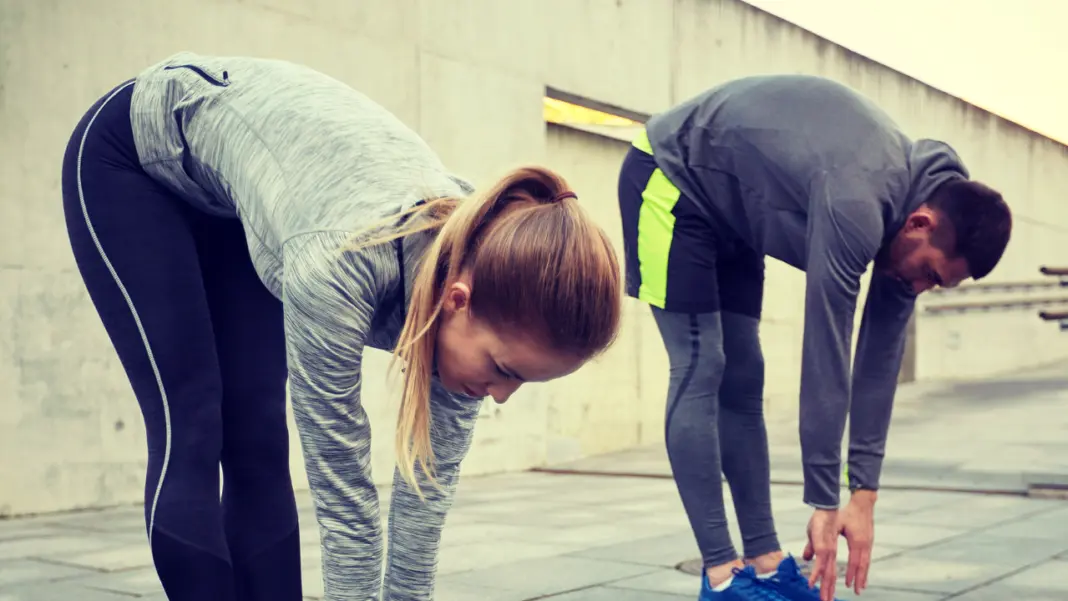
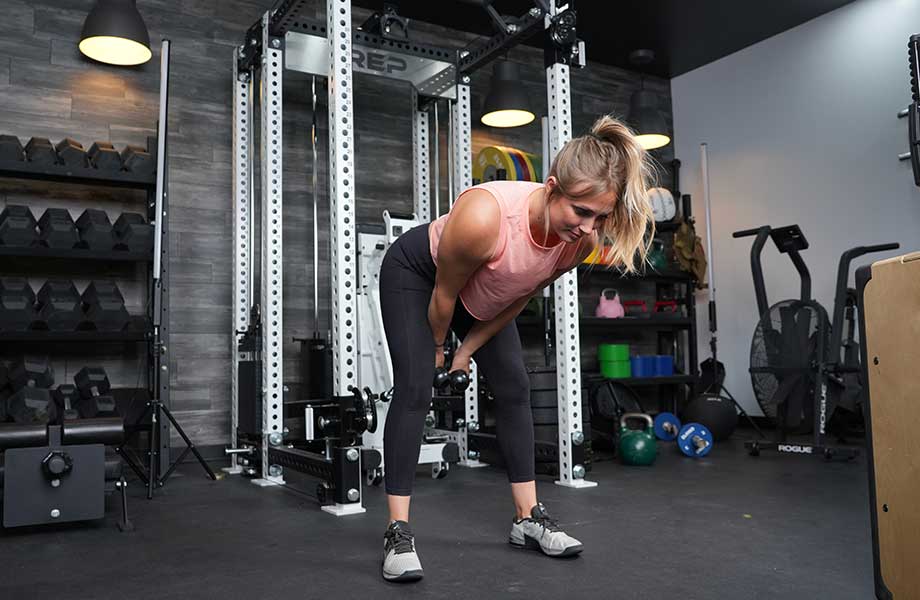
 is one of the most brutally effective movements for building a thick, dense, powerful posterior chain.)