Side Plank (Oblique Stability & Anti-Lateral Flexion Builder)
The Side Plank is one of the most misunderstood core exercises in bodybuilding and strength training. Many lifters dismiss it as too “basic,” too “easy,” or too “physical-therapy–oriented” to matter for serious muscle building. That’s a mistake.
When performed and progressed correctly, the side plank is one of the most effective oblique and deep-core stability exercises you can include in your training.
It doesn’t build abs through spinal flexion like crunches or sit-ups. Instead, it develops the structural strength, density, and endurance of the obliques through anti-lateral flexion—the ability to resist bending sideways under load.
From a bodybuilder’s perspective, this matters more than most people realize. Thick, strong obliques create a tighter waist, sharper midsection lines, better force transfer during big lifts, and a more stable torso under heavy loads. The side plank is not about chasing a pump—it’s about building a foundation.
This tutorial breaks down the side plank from a hypertrophy-minded, performance-driven standpoint: what it trains, how to execute it properly, how to progress it, and how lifters of all levels should program it.
What the Side Plank Trains (And Why It Matters for Lifters)
The side plank primarily trains the obliques, but not in the way most ab exercises do.
Primary Muscles Worked
- Internal obliques
- External obliques
Secondary & Supporting Muscles
- Transverse abdominis (deep core stabilizer)
- Quadratus lumborum (QL) — a key lower-back stabilizer
- Glute medius — critical for hip and pelvis stability
- Shoulder stabilizers (especially the lower traps and rotator cuff)
The Key Function: Anti-Lateral Flexion
Unlike crunches (spinal flexion) or twists (rotation), the side plank trains your ability to resist sideways bending. This is crucial for:
- Maintaining torso integrity during squats, deadlifts, rows, and carries
- Preventing lower-back strain under asymmetric loading
- Building thick, dense obliques without over-widening the waist
- Improving posture and pelvic alignment
- Enhancing performance in unilateral lifts
👉 Bodybuilder takeaway: The side plank doesn’t just build obliques—it teaches your core to hold its shape under load. That’s what gives the midsection a hard, athletic look rather than a soft, over-flexed one.

Why Side Planks Belong in a Hypertrophy Program
From a muscle-building perspective, the side plank offers three unique benefits:
- Oblique Thickness Without Waist Blowout
Heavy weighted side bends and excessive rotation can overdevelop the waist visually. Side planks load the obliques isometrically, encouraging density and control, not sloppy bulk.
- Transfer to Big Lifts
Strong obliques and QL muscles help you:
- Stay upright in squats
- Resist torso shift in deadlifts
- Maintain position during rows and presses
This indirectly supports heavier loading and better hypertrophy across the entire body.
- Injury Prevention = More Consistent Training
A stable lateral core reduces:
- SI joint irritation
- Lower-back tweaks
- Hip instability
Consistency is the real driver of long-term muscle growth, and side planks support that.
Proper Side Plank Setup (Non-Negotiable Form Rules)
Most lifters get very little from side planks because their form is sloppy. Here’s how to do it correctly.
Starting Position
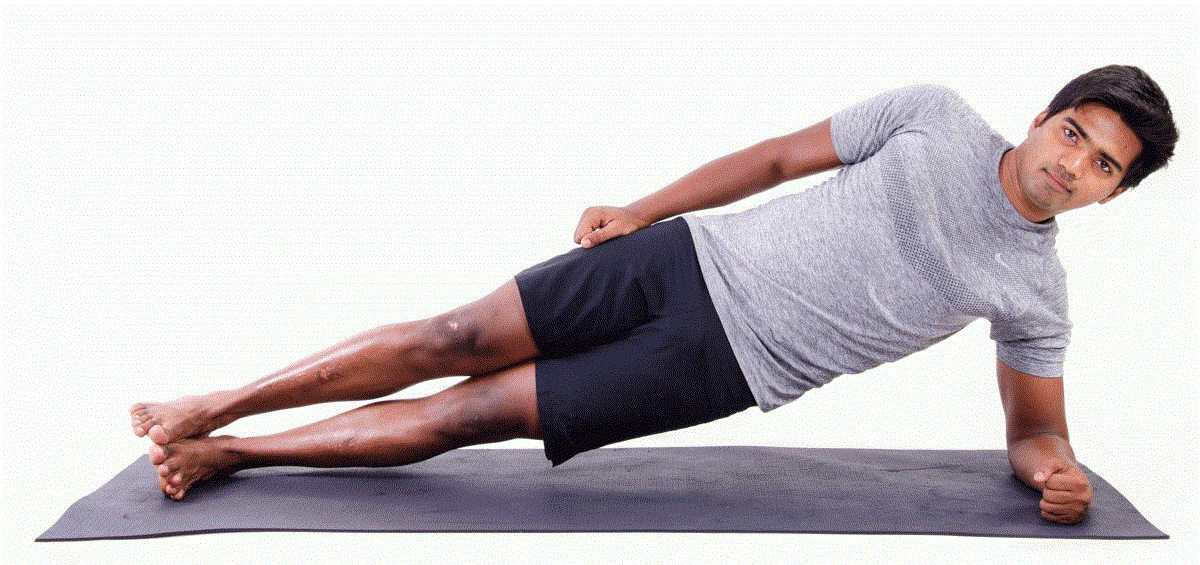
- Lie on your side with legs extended
- Stack your feet (or stagger for beginners)
- Elbow directly under shoulder
- Forearm flat on the ground
- Body in a straight line from ankles to head
Execution Cues
- Drive your elbow into the floor
- Squeeze your glutes hard
- Brace your abs as if preparing for a heavy lift
- Lift hips until your body forms a straight line
- Keep your ribcage down (no flaring)
- Head neutral, eyes forward or down
What NOT to Do
- Let hips sag
- Push hips backward
- Rotate torso forward or backward
- Hold breath (controlled breathing is key)
👉 Rule of thumb: If your obliques aren’t burning within 15–20 seconds, your position is wrong.
Common Side Plank Mistakes (And Why They Kill Results)
Mistake 1: Turning It Into a Shoulder Exercise
If you feel it mostly in your shoulder, your elbow placement or torso alignment is off.
Fix: Stack elbow directly under shoulder and actively brace the core.
Mistake 2: Short, Lazy Holds
Holding for 10 seconds with bad form does nothing.
Fix: Quality > duration. Build up strict time under tension.
Mistake 3: No Progression
Doing the same 30-second side plank forever leads nowhere.
Fix: Progress difficulty just like any other lift.
Side Plank Progressions (Beginner to Advanced)
The side plank is scalable, making it ideal for all levels.
Beginner Variations
- Bent-knee side plank
- Short holds (10–20 seconds)
- Staggered foot position
Intermediate Variations
- Full side plank (feet stacked)
- 30–45 second holds
- Controlled breathing under tension
Advanced Variations
- Weighted side plank (plate on hip)
- Side plank with hip abduction (top leg raised)
- Cable-loaded side plank
- Side plank row or reach-through
👉 Bodybuilder tip: Weighted side planks are where serious oblique thickness starts to show.
Set, Rep, and Time Guidelines
Side planks aren’t trained with reps—they’re trained with time under tension.
General Guidelines
- Beginner: 2–3 sets of 15–30 seconds per side
- Intermediate: 3–4 sets of 30–45 seconds per side
- Advanced: 3–4 sets of 45–75 seconds or weighted holds
Rest 30–60 seconds between sides.
Where Side Planks Fit in Your Ab Training
Side planks belong in the obliques and deep-core stability slot, not as a main ab mass builder.
Best Placement
- End of ab workouts
- After heavy compound lifts
- On lower-body or pull days
- As part of a core-focused session
Example Obliques Session
- Cable Woodchops – 3×12–15
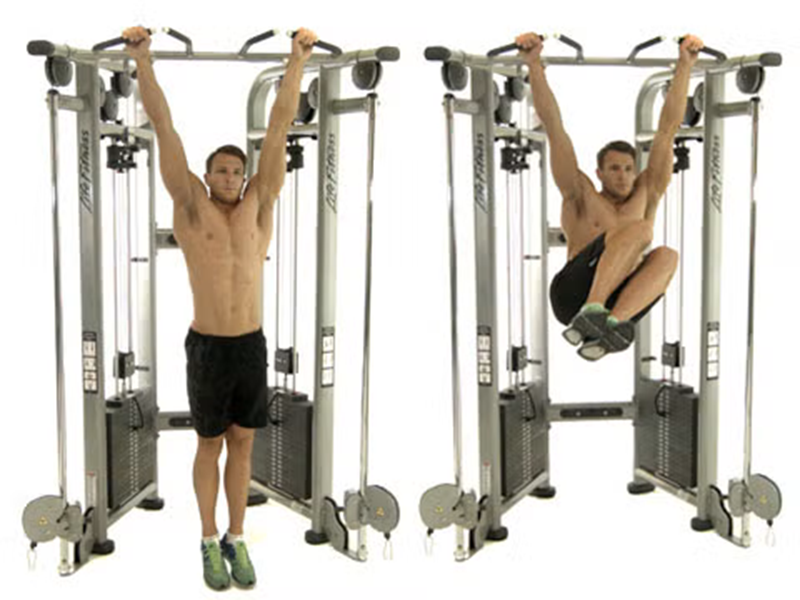
- Hanging Oblique Knee Raises – 3×10–15
- Side Planks – 3×40–60 sec per side
Side Plank vs Other Oblique Exercises
| Exercise | Function | Best For |
| Cable Woodchop | Rotation | Dynamic oblique hypertrophy |
| Hanging Oblique Raises | Hip flexion + rotation | Lower oblique detail |
| Side Plank | Anti-lateral flexion | Stability, thickness, waist control |
| Side Bend | Lateral flexion | Limited use, risk of waist thickening |
👉 Side planks fill a role no other exercise truly replaces.
Programming for Different Goals
For Aesthetics
- Moderate hold times
- Focus on symmetry
- Avoid excessive loading early
- Pair with rotational work
For Strength & Performance
- Heavier weighted holds
- Longer time under tension
- Use as accessory to squats/deadlifts
For Longevity & Core Health
- Unweighted or lightly weighted
- Focus on breathing and alignment
- Include year-round
Practical Takeaways for Lifters
- Side planks are not optional if you care about core strength
- They build oblique density without bloating the waist
- Progress them just like any other lift
- Quality tension matters more than duration
- Weighted side planks are elite for advanced lifters
- They directly support bigger compound lifts
Conclusion
The Side Plank may look simple, but it’s one of the most powerful core exercises you can use to build a strong, stable, and visually impressive midsection.
It strengthens the obliques in the way they’re meant to function—by resisting force, not just creating it.
For bodybuilders, that means better lifts, a tighter waist, improved posture, and fewer injuries. For strength athletes, it means a core that can actually support heavy loading. And for all lifters, it means a more complete, resilient physique.
If you want obliques that don’t just look strong—but are strong—the side plank deserves a permanent place in your program.