
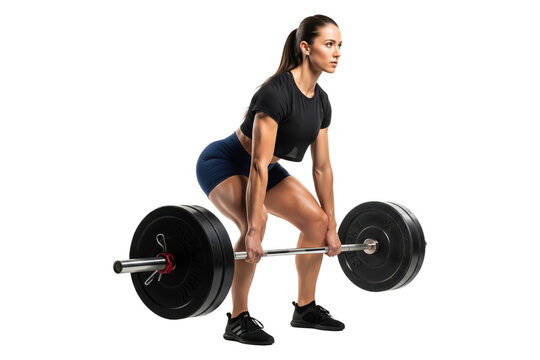
THE ROMANIAN DEADLIFT (RDL)
The Bodybuilder’s Primary Lower-Back & Posterior Chain Hypertrophy Hinge
If the conventional barbell deadlift is the king of full-body strength, then the Romanian Deadlift (RDL) is the king of posterior chain hypertrophy—especially when we’re talking lower-back thickness, hamstring density, and glute tie-in development.
While the standard deadlift challenges the entire body from the floor up, the RDL intentionally removes the knee drive, removes the quad contribution, and removes the floor reset.
That leaves one purpose:
Place maximum tension on the spinal erectors, glutes, and hamstrings—through a deep stretch and a long time under tension.
For bodybuilding purposes, the RDL is one of the most valuable movements you can program for lower-back, glute, and hamstring mass.
No exercise on Earth stretches the posterior chain in the same hypertrophy-stimulating way.
This in-depth guide covers everything a physique-focused lifter needs to know about the RDL—from biomechanics, to programming, to technique mastery, to progression, to muscle-building strategy.
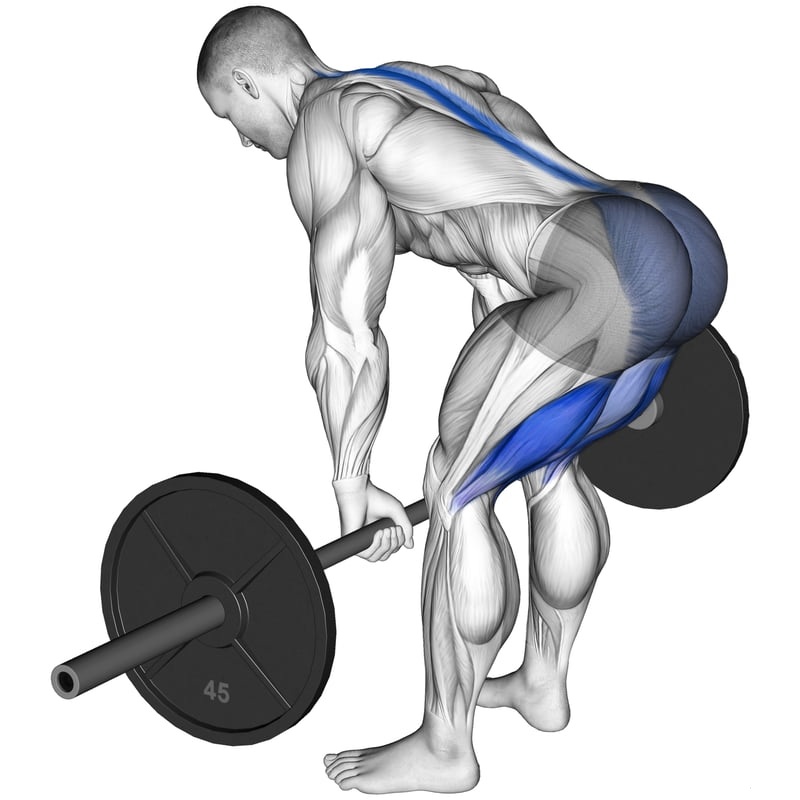
What the Romanian Deadlift Actually Does (Biomechanics That Matter for Bodybuilders)
The RDL is a hip-dominant hinge, not a knee-dominant lift, and that distinction is key.
Primary Muscles Targeted
- Hamstrings (entire length, especially long head)
- Glutes (maximus, with emphasis on upper glutes at lockout)
- Spinal erectors (lower-back thickness and isometric strength)
Secondary + Support Muscles
- Rear delts (isometric stabilization)
- Mid and lower traps
- Lats (to stabilize the bar path)
- Forearms and grip
- Core musculature
The RDL hits the lower back in a unique way:
Unlike back extensions (dynamic lumbar flexion/extension), the RDL builds the erectors isometrically—the way bodybuilders want when building a thick, armor-like midline.
Why the RDL is unmatched for hypertrophy:
- Long loaded stretch on hamstrings → massive mechanical tension
- Hip hinge puts glutes and erectors under continuous tension
- No floor contact → no rest → more hypertrophic stimulus
- Load is closer to hips compared to back squats → better erector stimulus with less spinal compression
- You control the eccentric, which is the driver of muscle growth
When physique athletes say they can “feel Soreness for days in the hamstrings and glutes,” the RDL is usually the cause.
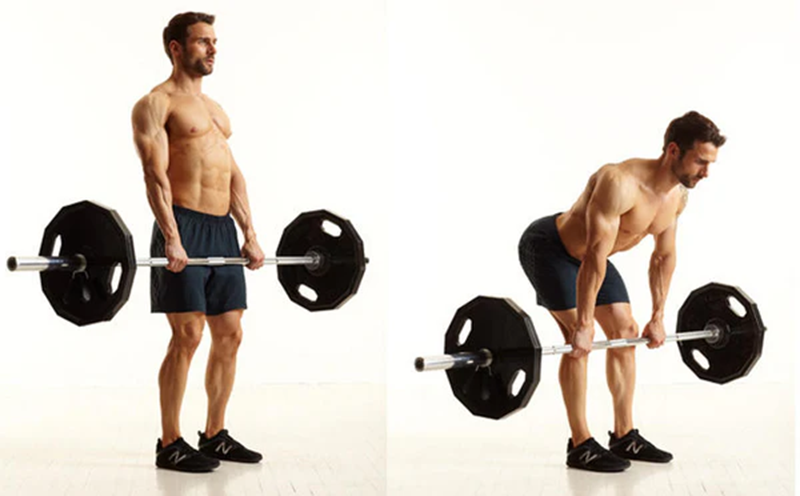
RDL vs. Conventional Deadlift
(Why Bodybuilders Need Both—but for Different Reasons)
Deadlift: Strength, total body load, neurological stimulus
- More quad involvement
- More knee flexion
- More grip and upper-back demands
- Heavy, explosive, brutal
- Great for power—less specific to hypertrophy
RDL: Hypertrophy, precision loading, stretch tension
- Minimal knee bend
- Constant tension
- Longer range of motion
- Higher eccentric control
- More predictable and scalable
If you want a stronger posterior chain → do both.
If you want a bigger posterior chain → prioritize the RDL.
Most bodybuilders treat the conventional deadlift as a strength accessory and the RDL as the primary hypertrophy movement. That model works extremely well long-term.
How to Perform the RDL (Bodybuilding Precision Form Guide)
This technique section assumes you want maximum muscle activation with minimum stress on joints.
Step-by-Step Technique Guide
- Start with the bar on a rack, not the floor
You’re not doing a deadlift.
You want the bar around mid-thigh to slightly below hip level to begin each set.
- Grip width
Use your normal deadlift grip or slightly narrower for better lat tension.
- Set your posture
- Chest tall
- Lats pulled tight (imagine squeezing orange pits in your armpits)
- Soft bend in knees (10–20°)
- Back locked in neutral
- Weight balanced mid-foot
You should feel your hamstrings already lengthened before you even hinge.
- Initiate the hinge by pushing your hips back
This is where 95% of lifters go wrong—they bend at the torso instead of the hips.
Cue: “Push your hips to the wall behind you.”
The bar moves downward only because your hips travel backward.
- Keep the bar close to your body
Think shins → knees → thighs as a single tight line.
If the bar drifts forward, you lose tension and load your lower back incorrectly.
- Lower the bar until your hamstrings reach a maximal stretch
The depth depends on your mobility. Good ranges:
- Most lifters: bar reaches mid-shin
- Flexible lifters: bar may approach just above ankles
Stop when your hamstrings say stop—not your ego.
- Raise the bar by squeezing your glutes and driving hips forward
Do not think “stand up.”
Think “pull your hips back under your ribcage.”
- Lock out at the top with glutes, NOT lumbar overextension
Many lifters jam their spine backward.
Instead: tighten glutes → ribs down → neutral spine.
Key Bodybuilding Cues
- “Soft knees, hard hinge.”
- “Hips back, hips forward — nothing else moves.”
- “Stretch the hamstrings like a cable being unspooled.”
- “Keep the bar shaved to your legs.”
- “Control the eccentric like you’re pouring cold syrup.”
If you’re not feeling massive hamstring stretch and glute pressure, adjust the hinge, not the weight.
Common Mistakes (And How to Fix Them)
- Bending the knees too much
Turns it into a bad squat + deadlift hybrid.
Fix: Keep knees slightly bent but fixed.
- Rounding the lower back
You lose tension in hamstrings and shift load to spinal ligaments.
Fix: Push hips back until hamstrings stop you—not your back.
- Letting the bar drift forward
This destroys the hinge mechanics.
Fix: Lats tight, bar pressed against your body.
- Dropping too fast on the eccentric
You must own the negative for hypertrophy.
Fix: 2–4 second controlled eccentric.
- Going too low
Stop when:
- Lower back rounds
- Bar drifts forward
- Hamstrings lose tension
Depth = mobility × tension quality — not ego.
Muscle-Building Variations of the RDL
- Dumbbell RDL
- Longer range of motion
- Great for unilateral balance
- Easier on lower back due to neutral grip
Best for: Beginners or lifters wanting more glute tension.
- Smith Machine RDL
- Guides the bar path for you
- Perfect for isolating hamstrings and glutes
- Delivers insane stretch tension
Best for: Pure bodybuilding hypertrophy with maximum stability.
- Deficit RDL
- Increases stretch
- More hamstring range of motion
Best for: Flexible lifters needing more lengthened tension.
- B-Stance (Split-Stance) RDL
- Pseudo-single-leg
- More glute activation
- Great for symmetry
Best for: Balancing left/right posterior chain.
Programming the RDL for Bodybuilding
Hypertrophy Rep Ranges
- 6–10 reps: Strength-hypertrophy blend
- 10–15 reps: Maximum hypertrophy
- 12–20 reps: High-tension endurance for glutes/hamstrings
Most bodybuilders thrive with 6–10 or 8–12.
Number of Sets
- Beginners: 2–3 working sets
- Intermediates: 3–4
- Advanced lifters: 4–5 heavy working sets
The RDL taxes the CNS and posterior chain hard.
Never go to true muscular failure except in very advanced phases.
Placement in a Workout
Keep the RDL:
- Early in leg day
- Early in posterior-chain day
- Before hamstring curls
- Before glute isolation
Never after heavy squats or heavy deadlifts.
You won’t have enough neural drive for safe form.
Frequency
- Once per week for heavy lifters
- Twice per week for glute/hamstring specialists (1 heavy day, 1 lighter day)
Progression Strategy
Because the movement is slow and technical, small jumps are best:
- 2.5–5 lb increases weekly
- Or add 1–2 reps each week
- Or extend the eccentric duration
If you gain 40–60 lbs on your RDL over a year, your posterior chain will transform.
Who Should Prioritize the RDL?
- Bodybuilders wanting stronger, thicker lower backs
Spinal erectors respond extremely well to isometric tension.
- Lifters missing hamstring sweep or density
RDLs build the long head of the biceps femoris better than curls alone.
- Bikini / wellness / men’s physique competitors
For glute tie-in roundness and hamstring-glute connection.
- Powerlifters who need a stronger lockout
The hinge mechanics improve deadlift finishing strength.
- Anyone who wants long-term posterior chain health
It’s one of the most functional and protective movements you can train.
Practical Takeaways for All Lifters
- Keep knees soft but fixed.
- Push hips back until hamstrings stop you.
- Control the eccentric—never drop into the stretch.
- Keep the bar close.
- Stop at tension failure, not ego failure.
- Program RDLs before isolation work.
- Don’t chase maxes—chase stretch tension.
If you feel the movement more in your back than your hamstrings, fix hinge mechanics—not add weight.
Summary: Why Every Bodybuilder Needs the RDL
The Romanian Deadlift is the master hypertrophy hinge.
It builds:
- Deep lower-back thickness
- Long, sweeping hamstrings
- Round, powerful glutes
- Injury-resistant posterior chain
- Strength that carries over to every major lift
In bodybuilding terms,
If you want a better backside, wider frame, stronger hinge, and better symmetry, the RDL is non-negotiable.
This lift creates the physique traits judges reward and lifters admire.
Add weight slowly.
Control every inch.
Master the hinge.
Your posterior chain will explode with new growth.

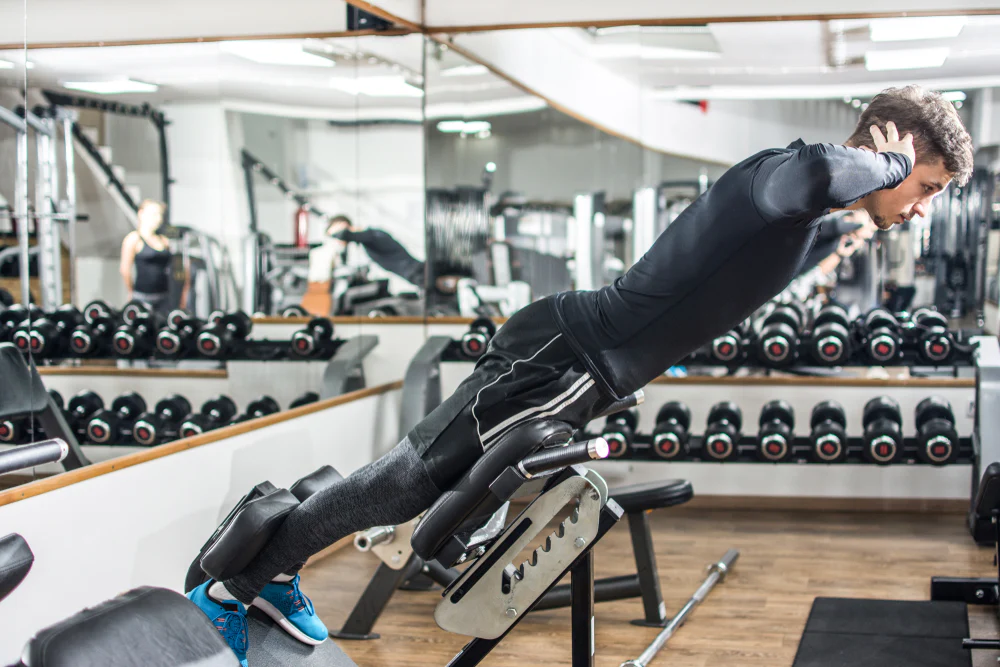
 is the king of posterior chain)