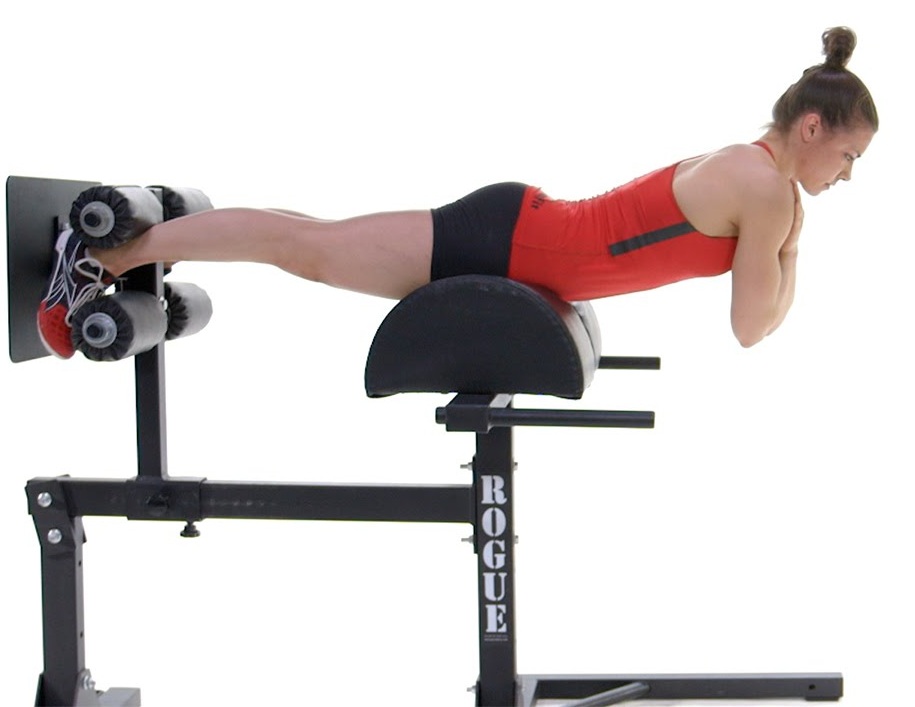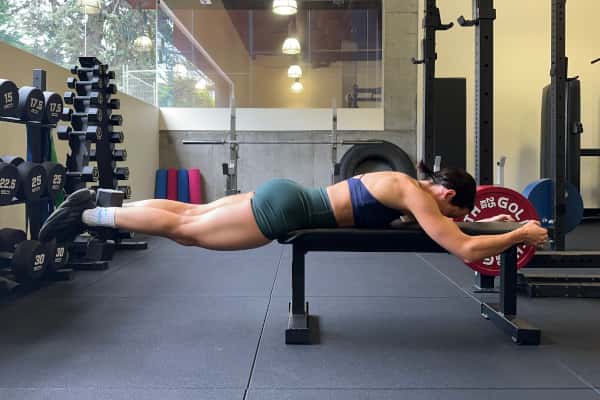
The Reverse Hyperextension (Reverse Hyper) — Lower-Back Health, Hypertrophy & Posterior-Chain Power
The Reverse Hyperextension, widely known as the Reverse Hyper, is one of the most unique and misunderstood lower-back exercises in the entire strength and physique world.
Invented and popularized by legendary powerlifting coach Louie Simmons, the Reverse Hyper was initially designed for one purpose:
To strengthen the lower back while simultaneously rehabilitating it.
But over time, bodybuilders, powerlifters, strongmen, functional athletes, and everyday lifters began to recognize something else:
The Reverse Hyper builds a level of lower-back thickness, glute mass, spinal durability, and posterior-chain power that few exercises can match — all with extremely low injury risk.
If your goal is a complete, dense, powerful back — from upper erectors to spinal stabilizers to glutes — the Reverse Hyper deserves a permanent place in your program.
This guide breaks down everything you need to know to master it.
What the Reverse Hyper Works
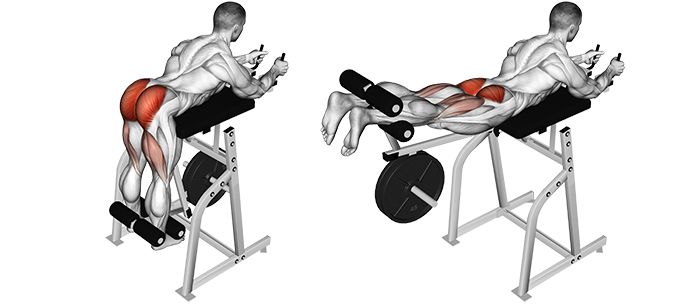
Although it’s often categorized purely as a lower-back or rehab tool, the Reverse Hyper actually trains the entire posterior chain:
Primary Muscles Worked
- Spinal erectors (lumbar focus, but thoracic also engages)
- Glutes (glute max heavily recruited)
- Hamstrings (secondary—especially the proximal fibers)
Secondary Muscles Worked
- Lower traps & spinal stabilizers (isometric)
- Hip external rotators
- Deep core stabilizers
What Makes It Unique?
No other exercise simultaneously:
- Loads the posterior chain concentrically
- Traction-decompresses the spine eccentrically
- Creates rhythmic fluid motion
- Builds hypertrophy without axial loading
It’s “strength + rehab + pump” in one movement.
Why Bodybuilders Should Use the Reverse Hyper
Most bodybuilders think of RDLs, back extensions, good mornings, and deadlifts when targeting the lower back. Those are fantastic movements — but they all have two drawbacks:
- They load the spine vertically
- They compress the spine under load
The Reverse Hyper does the opposite.
Key Hypertrophy Benefits
- Massive erector pump without spinal compression
- High-volume potential (sets of 20–50 reps are common)
- Constant tension on the glutes and lower back
- Joint-friendly progression method
Key Injury-Prevention Benefits
- Gentle spinal traction, reducing disc pressure
- Improves blood flow to the lumbar area
- Restores hip extension mobility
- Reinforces posterior-chain balance
Even if you’re not injured, the Reverse Hyper bulletproofs your posterior chain so you can keep training heavy on compound movements.
How to Perform the Reverse Hyper with Perfect Bodybuilder Technique
Follow these steps for maximal hypertrophy, spinal health, and posterior-chain contraction.
- Set Yourself on the Machine
There are multiple machine designs, but the fundamentals remain the same:
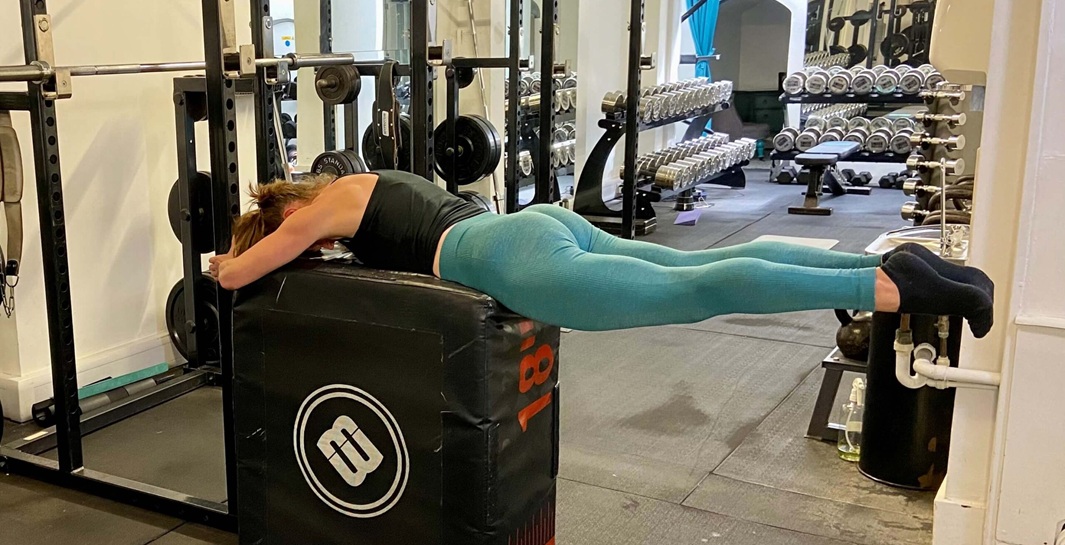
- Lie face-down on the pad with your hips slightly past the edge
- Grip the handles firmly
- Let your legs hang downward with knees straight or very slightly bent
- Keep your torso locked into position — no swaying or arching
Bodybuilder tip:
Don’t tuck your hips too far onto the pad. The hinge point must occur at the hip crease, not the stomach.
- The Swing & Lift — Controlled, Not Violent
Although some strength athletes use explosive swings, bodybuilders should use controlled power.
- Initiate the lift with the glutes, not momentum
- Raise your legs until they’re parallel with your torso, or slightly above
- Your lower back should extend naturally — but don’t hyper-arch
You’re aiming for:
Smooth power → Full hip extension → Hard contraction.
- The Eccentric Traction Phase
This is what makes the Reverse Hyper unique.
- Let your legs swing downward under control
- Allow the weight to gently traction your lower back
- Stay relaxed but stable
- Allow a comfortable stretch — not an excessive one
This decompression is therapeutic while still building muscle.
- Repeat for High-Rep Hypertrophy Sets
Bodybuilders grow best from moderate-to-high volume on this movement.
Common rep ranges:
- 12–20 for strength–hypertrophy
- 20–30 for hypertrophy
- 30–50 for pump and posterior-chain durability
Reverse Hyper Common Mistakes to Avoid
Most people butcher this exercise. To get the most out of it, avoid:
❌ Using Too Much Momentum
Swinging like a pendulum removes muscular tension.
Use momentum as a tool—never as the driver.
❌ Hyperextending the Lower Back
You want spinal extension, not a painful over-arch.
❌ Letting the Weight Whip Downward
The eccentric phase should traction the spine, not slam it.
❌ Going Too Heavy
Heavy weights dilute the mind-muscle connection.
This movement shines with moderate loads and high reps.
Reverse Hyper Variations
- Standard Reverse Hyper
The classic version: neutral legs, parallel raise, controlled eccentric.
- Bent-Knee Reverse Hyper
More glute focus, less hamstring tension, slightly easier on the hips.
- Single-Leg Reverse Hyper
Useful for:
- Correcting imbalances
- Getting a deeper glute contraction
- Reducing lower-back compensation
- Banded Reverse Hyper
For home gyms without a Reverse Hyper machine.
Programming the Reverse Hyper for Bodybuilders
Hypertrophy (Mass-Building)
- 3–4 sets
- 15–25 reps
- Moderate load
- 1–2 reps short of failure
Strength-Endurance & Posterior-Chain Density
- 3–4 sets
- 25–40 reps
- More continuous tension
- Moderate tempo
Lower-Back Recovery / Pump Between Heavy Days
- 2–3 sets
- 15–20 reps
- Light load
- Slow, controlled motion
Deadlift or Squat Day Finisher
- 1–2 sets
- 20–30 reps for pump + traction
Who Should Use the Reverse Hyper?
Bodybuilders
To build:
- Lower-back thickness
- Glute density
- Posterior-chain balance
Powerlifters
To increase:
- Deadlift lockout strength
- Lumbar durability
- Hip extension power
Everyday Lifters
To reduce:
- Lower-back tension
- Disc compression
- Chronic lumbar tightness
Any Athlete Who Lifts Heavy
The Reverse Hyper protects you from the volume you accumulate elsewhere.
How to Add Reverse Hypers Into an Existing Program
Here are three sample placements:
Option 1 — Posterior Chain Day
- RDL or Good Morning
- Glute Bridges / Hip Thrusts
- Reverse Hyper
- Hamstring Curls
- Back Extensions
Option 2 — Deadlift Accessory Day
- Deadlift Variation
- Rows
- Reverse Hyper
- Hamstring Curl Variation
Option 3 — Lower-Back Health Protocol
- Reverse Hyper
- Bird Dogs
- Planks
- Glute Work
Reverse Hyper for Aesthetics: What Bodybuilders Gain
Many bodybuilders underestimate how much the lower back contributes to the overall physique.
Aesthetics Improved
- Thick spinal erector “columns”
- Deep lumbar groove definition
- Balanced posterior-chain shape
- Better V-taper flow
- Stronger glute development for back poses
Posing Benefits
Reverse Hypers help you:
- Hold front lat spread longer
- Maintain rear poses without lower-back fatigue
- Improve your hip hinge ability for transitions
This is one of the most “behind-the-scenes” bodybuilding tools you can use.
Reverse Hyper vs. Other Lower-Back Exercises
| Exercise | Pros | Cons |
| Deadlifts | Pure strength + total-body loading | High spinal compression |
| RDLs | Great hypertrophy + stretch | Requires perfect form |
| Good Mornings | Big erector growth | Technique-sensitive |
| Back Extensions | Great hypertrophy | Still compressive loading |
| Reverse Hyper | Hypertrophy + traction + joint-friendly | Requires specialized machine |
Reverse Hyper = safest high-volume lower-back builder.
Practical Takeaways Summary
To reinforce the teaching points:
- Use moderate weights
Heavy weights remove the therapeutic benefit.
- Aim for high reps
20–40 reps is the sweet spot for growth + spinal health.
- Keep torso stable
All movement should come from the hips.
- Avoid violent swings
Control the motion — especially the eccentric.
- Use it weekly
It improves recovery AND hypertrophy.
Final Thoughts — Why the Reverse Hyper Belongs in Every Bodybuilding Program
The Reverse Hyper is one of the rare exercises that delivers:
- Hypertrophy
- Strength
- Longevity
- Injury prevention
- Restorative spinal mechanics
All in one movement.
It is the perfect complement to RDLs, deadlifts, good mornings, and rows, giving you the ability to train the lower back hard without beating your spine to pieces.
If your goal is a dense, powerful, injury-resistant physique with elite posterior-chain development, the Reverse Hyper is non-negotiable.
It fills the gaps left by every other hinge and back extension pattern and keeps your lumbar spine healthy enough to continue progressing for decades.