Rack Pull (Lower-Back & Posterior Chain Power Builder)
The bodybuilding hinge that overloads the spinal erectors, upper back, and hips like nothing else
The rack pull is one of the most brutally effective lower-back and upper-posterior builders in existence. Used correctly, it’s a mass-producing weapon for the spinal erectors, traps, rhomboids, rear delts, lats, and even the glutes and hamstrings.
This is the movement bodybuilders turn to when they want a thicker, deeper, more rugged-looking back — especially along the erector columns and mid-back shelf.
Often misunderstood, sometimes misused, and almost always underestimated, the rack pull sits in a unique crossroads between strength training and bodybuilding. When programmed intelligently, it becomes a hypertrophy monster.
This explainer covers everything you need: biomechanics, setup, execution, common mistakes, programming, hypertrophy techniques, and strategies for lifters of all levels.
What Is the Rack Pull?
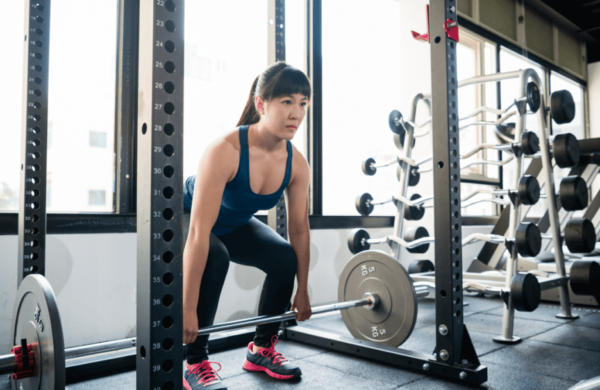
The rack pull is a partial deadlift performed from an elevated position — typically with the bar resting on safety pins or blocks set anywhere between just below the knee and mid-shin.
A higher starting position reduces knee bend and increases reliance on:
- Spinal erectors (particularly thoracic)
- Upper traps and mid traps
- Rhomboids
- Rear delts
- Lats (isometrically)
- Grip
- Glutes and hamstrings (depending on height)
- Core stabilizers
In bodybuilding, the rack pull is valued for its ability to overload the upper posterior chain with weights far beyond what you can deadlift from the floor. This massive weight exposure creates:
- High-threshold motor unit recruitment
- Strong isometric tension
- Tremendous trap and erector growth
- A uniquely dense “yoked” look across the upper back
Muscles Worked (And How the Rack Height Changes the Emphasis)
Primary Muscles
- Spinal erectors (thoracic and lumbar)
- Upper traps
- Mid traps
- Rhomboids
- Rear delts
Secondary Muscles
- Glutes
- Hamstrings
- Lats
- Forearms and grip muscles
- Core stabilizers
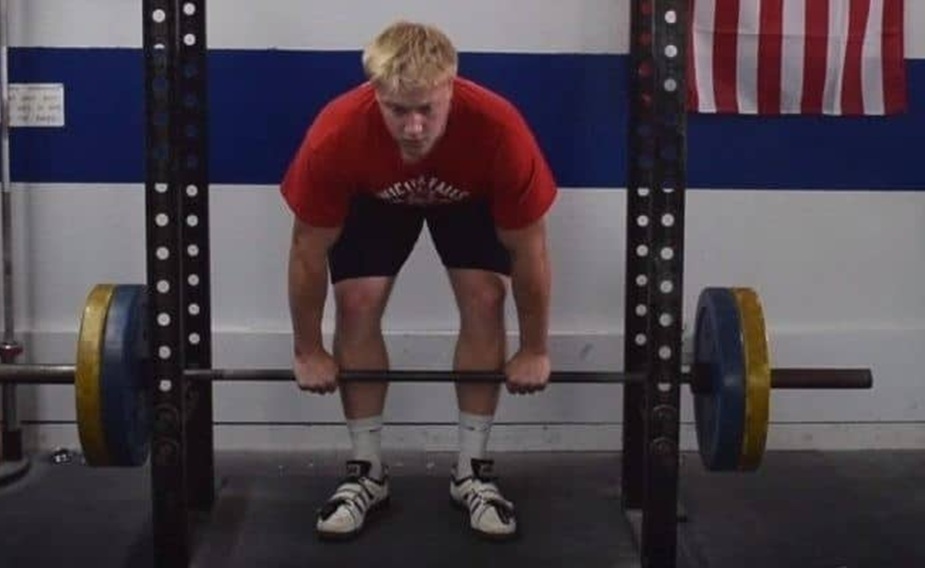
How rack height changes the movement
- Rack Pull Above the Knee
- Maximum trap and upper-back emphasis
- Minimal hip hinge
- Heavyest loading
- Best for pure upper-back and trap overloading
- Lowest hamstring involvement
- Some lifters prefer above-knee for “bodybuilding rack pulls”
- Rack Pull At Knee Level
- Balanced spinal erector + upper-back stimulus
- Strong glute lockout activation
- Moderate hamstring involvement
- Best “all-purpose” option for most bodybuilders
- Rack Pull Below the Knee
- Most hamstring and glute engagement
- More similar to a deadlift
- Hardest version
- Best for lifters wanting full posterior-chain involvement without pulling from the floor
For bodybuilding-focused back development, the at-knee or slightly above-knee height is usually the sweet spot.
How to Set Up the Rack Pull
A proper rack pull starts with a rock-solid setup. Follow these exact steps:
- Set the rack height
For bodybuilding:
- Knee height = best balance
- Slightly above knee = heaviest loading, upper back emphasized
- Below knee = more hamstrings, closer to a deadlift
- Position the bar
- Bar should be resting firmly against safety pins or blocks
- No rolling back and forth — bar stability is critical for consistent pulls
- Approach the bar
- Feet hip-width
- Toes slightly out
- Shins very lightly touching the bar (or 1–3 cm away depending on preference)
- Grip
- Double overhand for lightweight warmups
- Mixed grip or straps for heavy bodybuilding sets
- Grip should be just outside legs (deadlift-style)
Straps are extremely common in bodybuilding rack pulls — because the goal is back hypertrophy, not grip tests.
- Back position
- Chest tall
- Spine neutral (not overarched, not rounded)
- Lats pulled tight
- Shoulders slightly above or in line with the bar
- Hips pushed back into a hinge, not squat
- Bracing
Before lifting:
- Deep breath into your diaphragm
- Brace your abs as if preparing to take a punch
- Lock your ribs down
- Squeeze the bar hard to activate the upper back
Now you’re ready to pull.
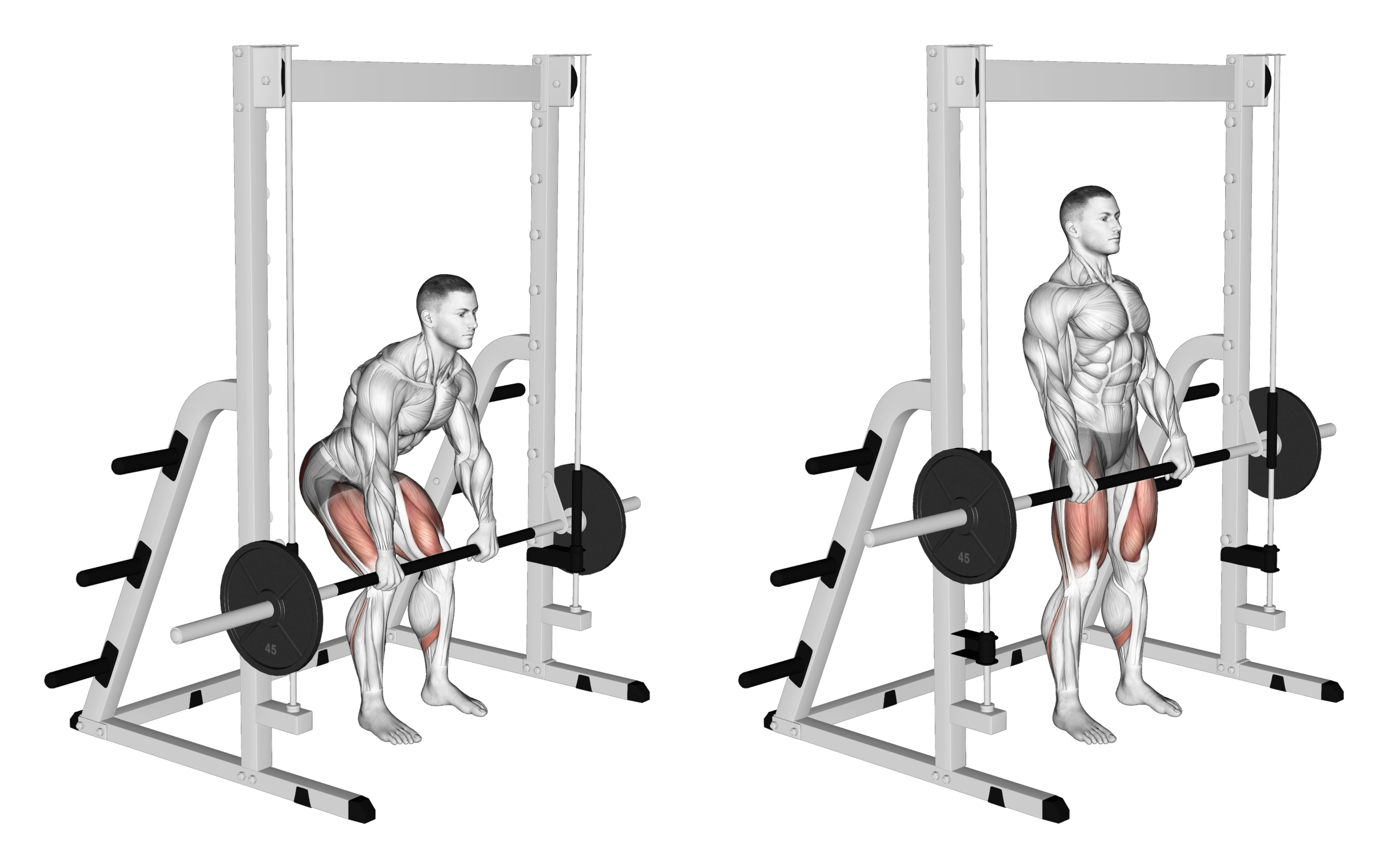
How to Perform the Rack Pull (Step-by-Step)
Step 1 — Take the slack out of the bar
This step separates good rack pulls from dangerous ones.
Before lifting:
- Pull slightly upward
- Engage your lats
- Load your hamstrings
- Create tension
Do not yank the bar abruptly from the pins.
Step 2 — Drive through the hips
Once tension is set:
- Push your feet into the floor
- Keep your lats tight
- Maintain a straight bar path
- Hinge the hips forward as the bar rises
You should feel:
- Erectors firing hard
- Upper back locking in
- Glutes preparing for lockout
Step 3 — Lock out smoothly
At the top:
- Drive hips forward
- Contract glutes
- Pull shoulders down and back (not shrugged upward)
- Avoid leaning back excessively
A clean, tall lockout is the goal — not hyperextension.
Step 4 — Lower under control
- Push hips backward
- Keep the bar close to your legs
- Maintain tension all the way down
- Let the bar touch the pins quietly
If the bar slams uncontrollably onto the pins, the weight is too heavy or the tempo is too sloppy.
Common Mistakes (And How to Fix Them)
❌ Mistake 1 — Treating it like a partial deadlift “cheat lift”
The rack pull isn’t meant to be an ego lift.
Fix:
Control the movement. Set tension. Use weights you can handle with proper form.
❌ Mistake 2 — Over-extending the lower back at lockout
Hyperextension places unnecessary stress on the lumbar spine.
Fix:
Finish by squeezing glutes and staying tall — not leaning back.
❌ Mistake 3 — Excessive round-back pulling
Some thoracic rounding is natural with very heavy weights, but a collapsed lumbar spine is dangerous.
Fix:
Brace harder. Use straps. Lower the weight. Pull with your back, not your ego.
❌ Mistake 4 — Setting the rack too high
Above-knee rack pulls can still be effective — but if set too high, they turn into glorified shrugs.
Fix:
Set the pins at knee height for the best hypertrophy stimulus.
❌ Mistake 5 — Bouncing reps off the pins
This eliminates time under tension.
Fix:
Touch the pins lightly and reset each rep.
Breathing and Bracing Tips for Safety
- Inhale deeply before the rep
- Brace 360° around the trunk
- Maintain your brace until the rep is locked out
- Exhale only at the top (or during the controlled eccentric)
Proper bracing increases stability and prevents lower-back strain.
How to Program Rack Pulls for Bodybuilding
Rep Range
- 6–10 reps for heavy strength-based hypertrophy
- 8–12 reps for classic bodybuilding volume
- 12–15 reps for upper-back burnout sets (straps recommended)
Lower reps (1–5) aren’t recommended for bodybuilders—they become too similar to powerlifting deadlifts.
Sets
- 3–4 working sets
- Last set can be a backoff set with higher reps
Frequency
- 1× per week for most lifters
- 2× only if variation is used (e.g., knee-height + above-knee)
Progression Strategy
- Add weight gradually
- Increase rep targets
- Add volume sparingly
- Prioritize clean, controlled reps over maximal loading
Rack pulls move huge weight — but you want progressive overload without crushing your recovery.
Hypertrophy Techniques for Rack Pulls
Here are advanced bodybuilding methods for even more upper-back and erector growth.
- 2-Second Paused Rack Pull
Pause the bar 2 cm off the pins.
Benefits:
- Eliminates momentum
- Increases time under tension
- Builds pure back strength
- Constant-Tension Rack Pulls
Don’t reset the bar fully — hover 1–2 cm above the pins each rep.
Benefits:
- Maximum muscle pump
- Higher metabolic stress
- Stronger mind-muscle connection
- High-Rep Strap-Assisted Sets
15–20 reps with straps and controlled tempo.
Benefits:
- Big trap pump
- Upper-back density
- Safer than max loads
- Pyramid Rack Pulls
Build up in weight each set.
How it looks:
- Set 1: 12 reps
- Set 2: 10 reps
- Set 3: 8 reps
- Set 4: 6 reps
A bodybuilding classic.
Who Should Use Rack Pulls?
Great for:
- Bodybuilders wanting thicker upper backs
- Lifters with long femurs who struggle with deadlifts
- Anyone wanting stronger erectors
- Physique athletes who want trap and mid-back density
- Lifters who cannot tolerate full deadlifts weekly
Not ideal for:
- People with poor hinge mechanics
- Beginners
- Anyone recovering from lower-back injury
- Lifters who already do heavy deadlifts twice per week
How to Choose the Right Starting Rack Height
If your upper back is a weakness:
Start above knee.
If your lower back needs more mass:
Start at knee.
If your glutes and hamstrings need more involvement:
Start below knee.
If you want the best overall bodybuilding version:
Knee height — it hits everything.
Where to Place Rack Pulls in a Back Workout
Rack pulls are taxing and should be done early in the session.
Example order:
- Heavy rack pulls
- Vertical pulling (pulldowns or pull-ups)
- Horizontal rows
- Rear-delt work
- Lower-back/finishers if needed
Avoid placing them after deadlifts.
Sample Rack Pull Workouts
Mass-Building Workout
- Rack Pulls — 4×8
- T-Bar Row — 3×10–12
- Lat Pulldown — 3×10
- Chest-Supported Row — 3×12–15
- Rear-Delt Fly — 3×15–20
Strength + Hypertrophy Workout
- Rack Pulls — 3×6
- Barbell Row — 3×8
- Close-Grip Lat Pulldown — 3×10
- Face Pulls — 3×15
Upper-Back Density Workout
- Rack Pulls — 4×10
- Shrugs — 3×12
- Wide-Grip Seated Row — 3×10
- Reverse Pec Deck — 3×15
Practical Takeaways
- Rack pulls overload the upper back and erectors better than any other partial lift.
- Knee-height is the most balanced and bodybuilding-friendly height.
- Controlled reps and proper bracing matter more than chasing max loads.
- Straps are recommended — focus on back recruitment, not grip fatigue.
- Great for lifters who struggle with deadlift recovery or hinge mechanics.
- One of the best movements for “back thickness.”
- Use 6–12 reps with 3–4 heavy sets for ideal muscle-building results.