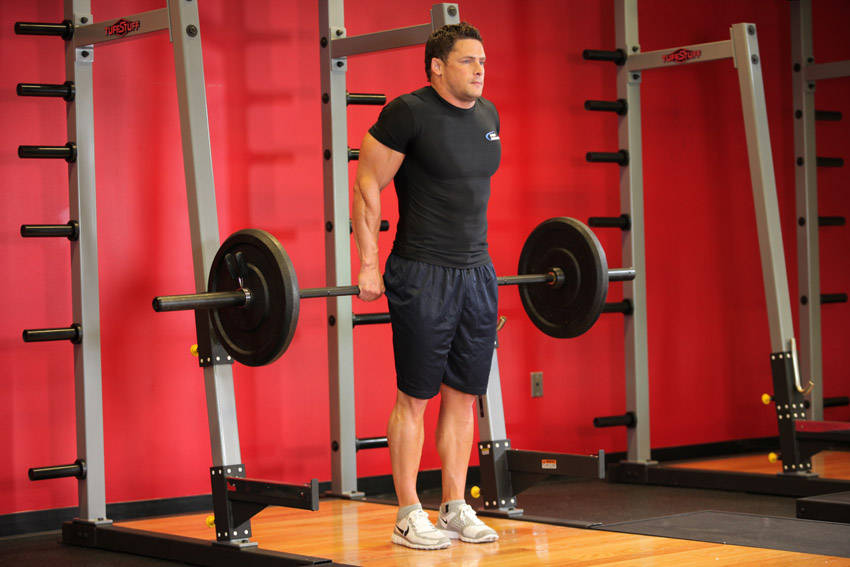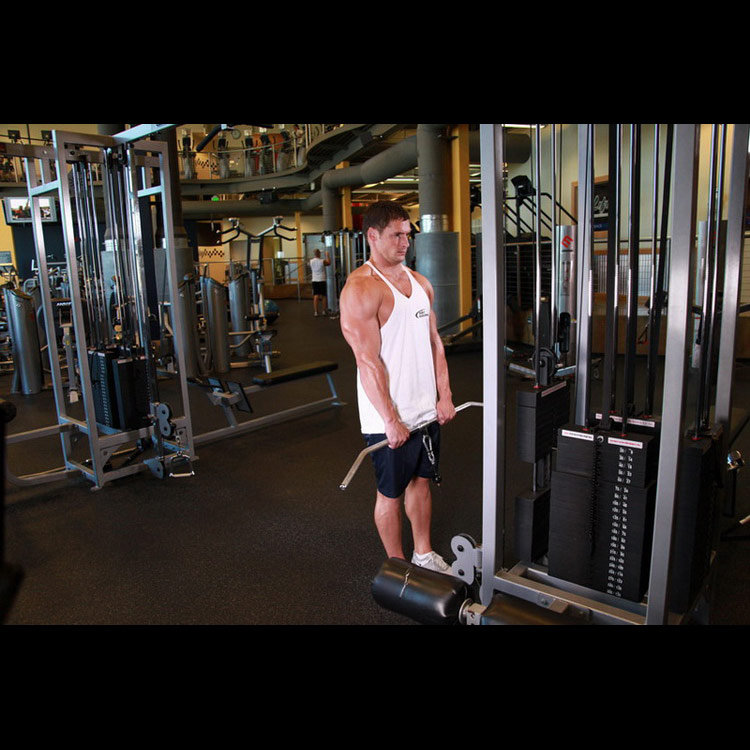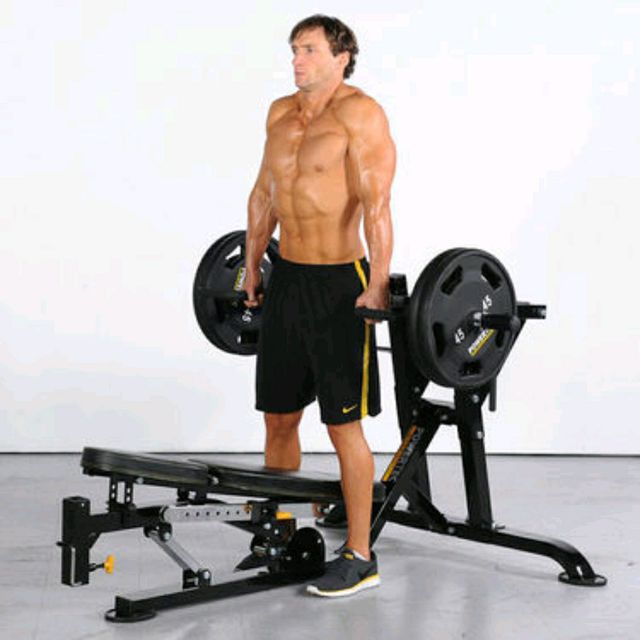
Machine Shrug — The Stability-Loaded Trap Mass Builder
When it comes to trap development, most lifters think barbell shrugs and dumbbell shrugs make up the entire tier list.
They’re great—but they’re also limited by stability, grip, fatigue, and the awkwardness of holding extremely heavy loads. Enter the Machine Shrug—one of the most underrated and biomechanically efficient trap-building tools a bodybuilder can use.
The Machine Shrug removes the weak links, forces the traps to carry nearly all the workload, and offers a level of overload and consistency that free weights simply can’t replicate.
Whether your goal is stacked upper traps, a thicker yoke, or superior shrug stimulus without systemic fatigue, the Machine Shrug earns its place as a top-tier mass builder.
This tutorial dives deep into technique, hypertrophy mechanics, programming, progression, variations, and traps-focused cues that make this movement shine for lifters of all levels.
What Is the Machine Shrug?
The Machine Shrug is a trap-focused vertical scapular elevation exercise performed using a selectorized machine or a plate-loaded shrug/standing calf raise unit. Unlike barbells or dumbbells, the machine:
- Locks the weight path
- Keeps resistance perfectly vertical
- Eliminates balance requirements
- Allows maximal overload
- Encourages safer, more stable high-intensity work
- Reduces grip limitations
Because of this, the Machine Shrug creates an ideal environment for pure trap hypertrophy, letting you direct every ounce of force into shrugging rather than stabilizing.
Muscles Worked
Primary:
- Upper Trapezius
- Middle Trapezius (indirectly through upward scapular rotation & elevation support)
Secondary:
- Levator Scapulae
- Rhomboids
- Forearms (minimal stabilizing grip involvement)
- Core (bracing for heavy loading)
Although the movement is simple, the traps do nearly all the work, and that’s exactly why this is such an effective bodybuilding staple.
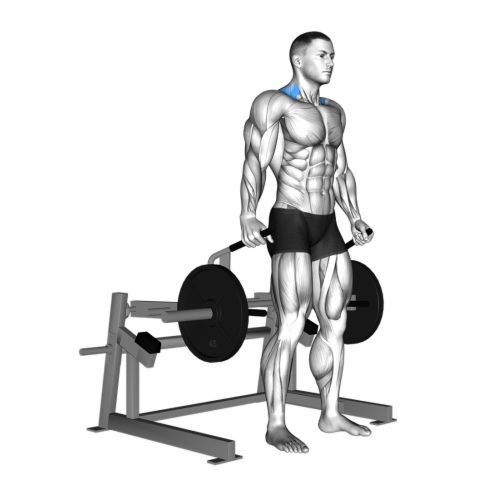
How to Perform the Machine Shrug (Bodybuilder Standard Technique)
- Set Up Your Position
- Stand centered in the machine or grip the handles evenly if seated/standing depending on machine style.
- Keep feet shoulder-width apart.
- Maintain a neutral spine with chest tall and core braced.
- Let arms hang fully extended with the handles in line with your thighs.
Key cue:
➡ “Start tall and stable—no leaning forward or backward.”
- Initiate the Shrug With the Traps
To lift the weight, think:
➡ “Drive shoulders straight upward, not backward.”
The upward path should be vertical. Avoid rolling your shoulders—this dilutes trap tension and loads the rotator cuff unnecessarily.
Shrug until the traps contract fully, but don’t force a range of motion that rounds the neck or collapses posture.
- Peak Contraction
Hold the top position for ½–1 second.
Focus on:
- Pulling the shoulder blades slightly up and inward
- Keeping elbows straight
- Maintaining neck neutrality
Peak cue:
➡ “Stand tall and pinch the traps upward, not backward.”
- Controlled Negative
Lower the weight slowly for 2–3 seconds.
This eccentric stretch is critical for trap growth. Let the shoulders fully depress at the bottom before initiating the next rep.
Bottom cue:
➡ “Feel the traps lengthen—don’t let the machine throw you down.”
- Repeat Without Momentum
Every rep should be controlled, powerful, and vertical.
Common Technique Mistakes (and How to Fix Them)
❌ Rolling the shoulders
Old-school advice suggested rolling shrugs—this is now known to be counterproductive and risky.
Fix:
➡ Elevate straight up and down.
❌ Using leg drive
Some lifters turn this into a quasi-deadlift.
Fix:
➡ Lock knees, brace core, and eliminate lower-body involvement.
❌ Pushing the head forward
Neck extension or jutting compromises contraction.
Fix:
➡ Keep the neck neutral—act like someone’s pulling the back of your head upward.
❌ Half reps
Short ROM means short results.
Fix:
➡ Stretch fully at bottom, contract hard at top.
❌ Too much weight too soon
Machine stability encourages ego lifting.
Fix:
➡ Increase load only when you can control the full eccentric and peak contraction.
Why the Machine Shrug Belongs in Bodybuilding Programming
- Allows Maximal Load on the Traps
Free-weight shrugs are limited by grip strength, stabilization, and fatigue. The machine removes these barriers, letting the traps reach deeper levels of mechanical tension.
- Safe and Joint-Friendly
No spinal compression from barbells.
No grip slip risk from heavy dumbbells.
No instability from awkward setups.
Just pure trap stress.
- Perfect for Intensification Techniques
Machine stability enables high-effort methods such as:
- Drop sets
- Rest-pause
- Mechanical overload sets
- Isometric holds
- Eccentric-focused reps
- Burn-out sets
This makes it a bodybuilder’s dream.
- Eliminates Grip as a Limiting Factor
When your goal is trap hypertrophy—not forearm fatigue—this is a major benefit.
- Very Friendly for High Volume
Since the movement is safe, supported, and predictable, you can push volume without excessive systemic stress.
Training Cues for Maximum Trap Growth
Cue 1: “Drive Up to the Ears.”
Visualizing the shoulders approaching the ears helps reinforce vertical elevation.
Cue 2: “Squeeze Up, Stretch Down.”
The traps respond extremely well to hard contractions and deep loaded stretching.
Cue 3: “Don’t Bend the Arms.”
Bent elbows turn the movement into a pseudo upright row.
Cue 4: “Chest Tall, Core Locked.”
Posture amplifies tension and reduces compensation.
Training Strategies & Programming
Rep Range
For traps, both high and low reps work well:
- 6–10 heavy reps for maximal loading
- 10–15 moderate reps for strong contractions
- 15–25 high reps for metabolic stress
Machines shine in the 15–25 rep burn-out zone, where the traps get an insane pump.
Ideal Set Structure
For bodybuilding purposes:
- 3–5 working sets
- Start with moderate load
- Finish with a high-intensity set
Example:
- Set 1: 12 reps (warm-up/primer)
- Set 2: 10 reps
- Set 3: 12–15 reps to near failure
- Optional Set 4: Drop-set or rest-pause
Progression Model
Use a double-progression approach:
➡ Increase reps first → then increase weight.
Example:
Week 1: 3×12
Week 2: 3×14
Week 3: 3×15
Week 4: Add weight, return to 3×10–12
This keeps tension high while minimizing sloppy form.
Machine Shrug Variations
- Standing Machine Shrug (Plate-Loaded or Selectorized)
The standard version—best for hypertrophy and heavy loading.
- Seated Machine Shrug
More stable and strict; reduces body movement and increases mind-muscle connection.
- Behind-the-Back Machine Shrug
For many machines, you can face the opposite direction.
This shifts tension slightly toward the mid traps and upper fibers.
- Single-Arm Machine Shrug
Useful for correcting imbalances and emphasizing peak contraction.
Where to Place Machine Shrugs in Your Workout
Best positions in a workout:
Option 1: Mid-to-Late Workout (Most Common)
After heavy back rowing or after free-weight shrugs.
Option 2: Last Exercise Finisher
Using high reps, drop sets, or rest-pause for a trap-destroying burn.
Option 3: On Shoulder Day
Since traps support delt work, this placement works well too.
Who Should Use Machine Shrugs?
Bodybuilders
Perfect for adding thickness to the upper back and building the yoke.
Powerlifters
Great accessory for deadlift lockout strength.
Strongmen
Builds trap mass essential for carries, pulls, and loading events.
Beginners
Machine stability makes it nearly foolproof.
Lifters with shoulder issues
Safer than free-weight shrugs due to controlled movement path.
Practical Takeaways
- The Machine Shrug is one of the most stable and effective ways to build the traps.
- It removes grip limitations and allows maximal focus on trap elevation.
- Controlled eccentrics and full ROM are crucial.
- Works perfectly with high-volume and intensification methods.
- A must-have movement for bodybuilders seeking thicker upper traps and a full “yoke” look.