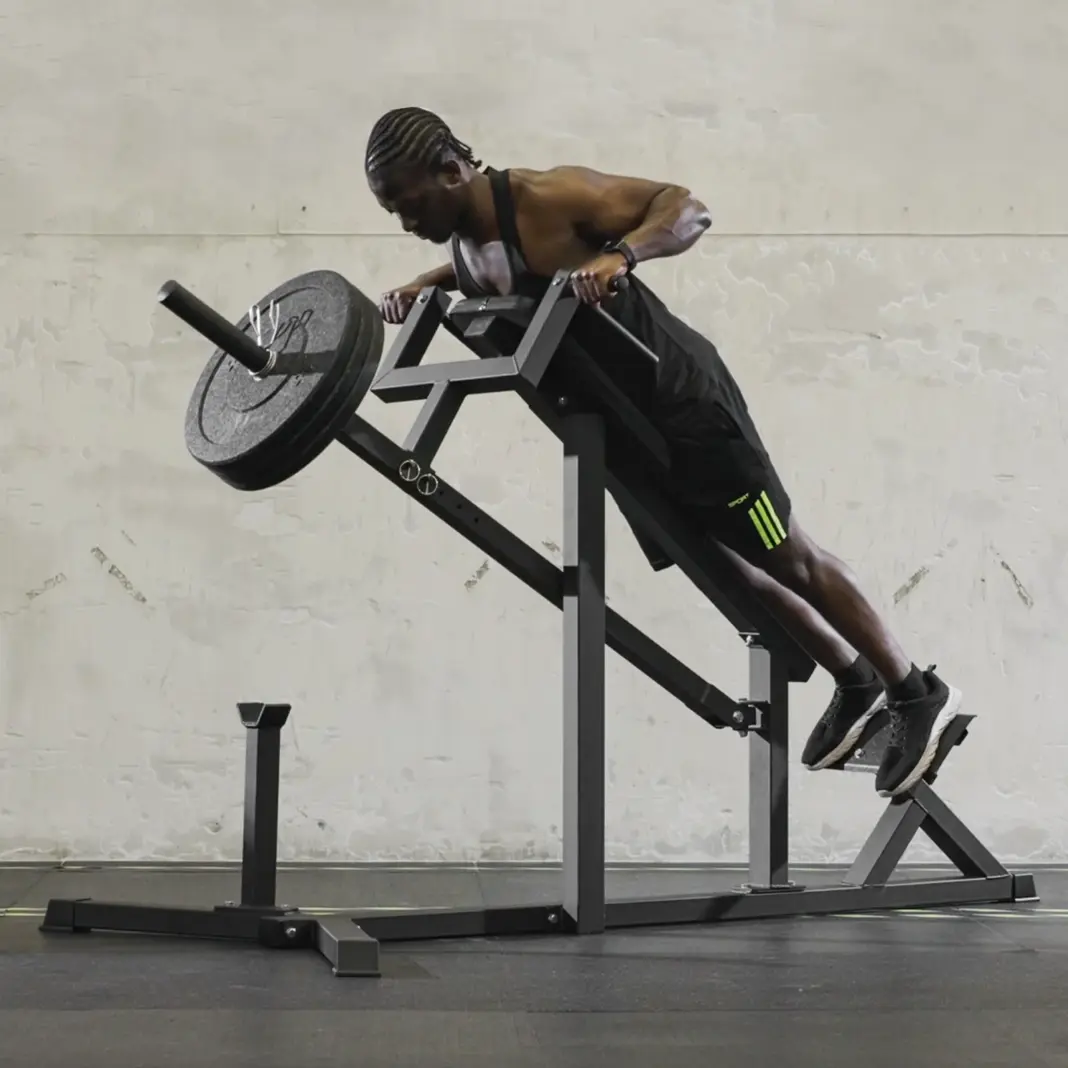
THE CHEST-SUPPORTED MACHINE ROW (Lat-Focused Version)
After covering rows, pulldown variations, and several elite lat-isolation movements, it’s time to tackle one of the most important — yet often misunderstood — back exercises in modern bodybuilding:
The Chest-Supported Machine Row.
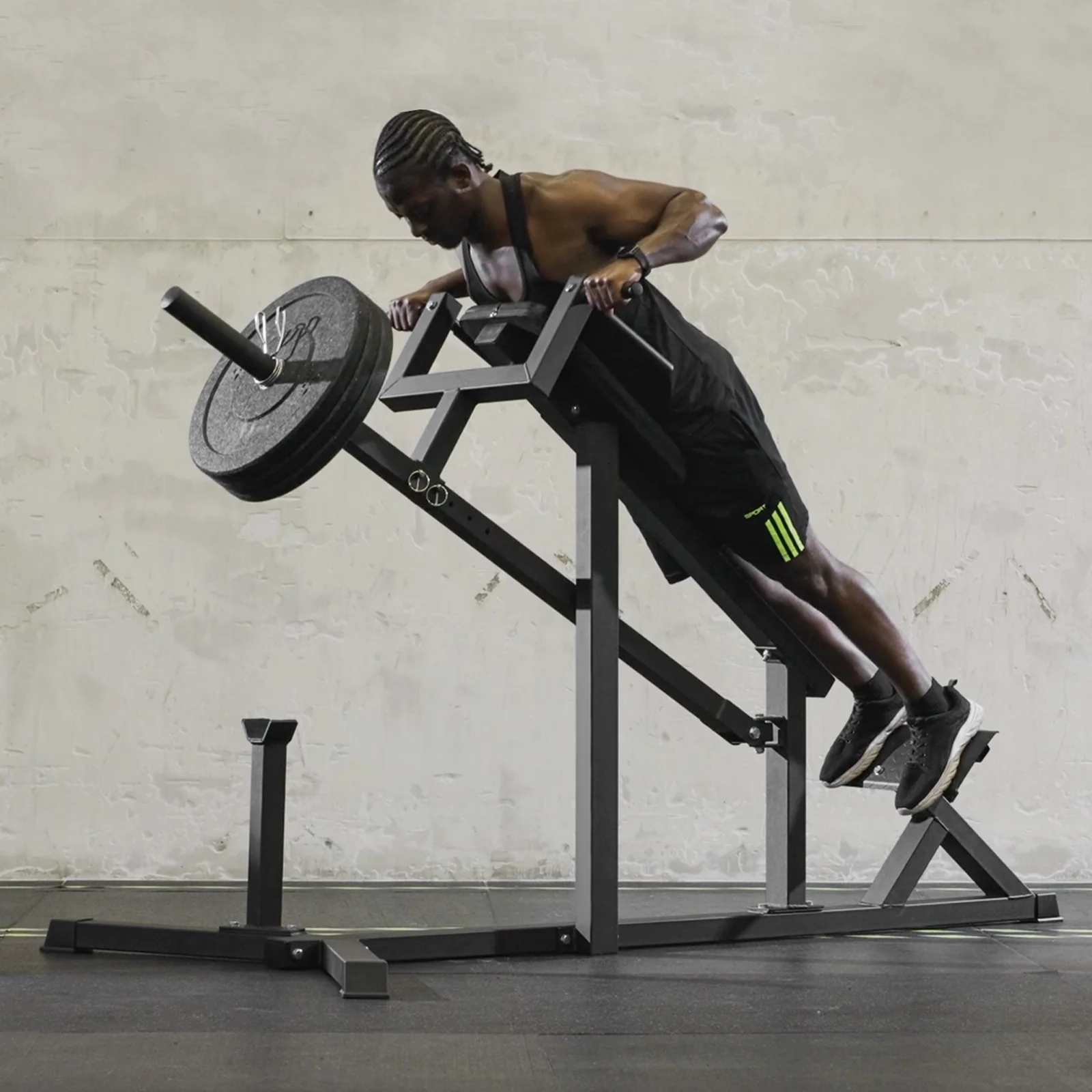
(Plate-loaded, selectorized, Hammer Strength iso-lateral, or any chest-braced horizontal row machine.)
This machine is loved by top-level bodybuilders for one reason:
It removes cheating from the equation.
No hip drive.
No swinging.
No spinal stress.
No momentum.
Just pure lat and mid-back tension in a stable, predictable, heavy-as-you-want loading environment.
From a hypertrophy standpoint, this makes it one of the highest-quality tension producers of any rowing pattern — and a staple movement for lifters who want guaranteed back growth without beating up the lower back.
Let’s break down why this machine row variation deserves a permanent home in your back program.
Why the Chest-Supported Machine Row Is a Must-Have for Back Hypertrophy
- Zero Lower-Back Fatigue = Maximum Output
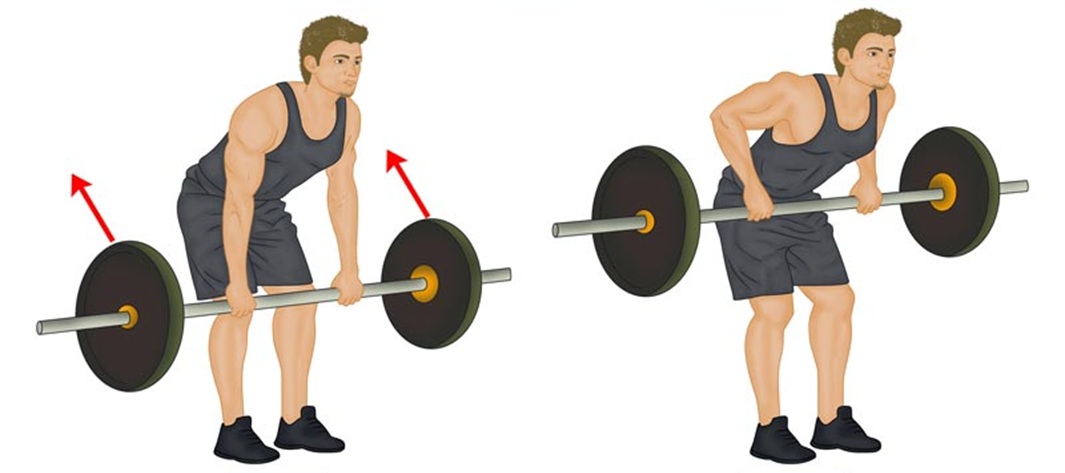
Bent-over barbell rows are fantastic — but they drain your lower back and limit set quality as fatigue accumulates.
The chest-supported machine row eliminates that bottleneck completely.
Your torso is fixed.
Your spine is braced.
Your low back can’t compromise.
Your core doesn’t become the limiting factor.
You can hammer the lats, upper back, and rear delts with pure intent.
This improves hypertrophy because the target tissues reach meaningful failure before stabilizers do.
- Machine Stability Means More Mechanical Tension
Because the machine stabilizes you:
- You can overload the stretch safely
- You can use heavier weights
- You can control eccentrics
- You can remove momentum entirely
- You can fully bias the lats through angle manipulation
Machines create a consistent resistance curve, which is extremely useful for hypertrophy because intensity stays directed into the same fibers every rep.
- Iso-Lateral Arms Allow Balanced Lat Development
Most chest-supported rows have independent lever arms, meaning:
- You can row each side separately
- You can fix asymmetries
- You can cue “pull with the elbow” on the weaker side
- You can engage each lat with its optimal path and elbow angle
No unilateral compensation.
No dominant-side takeover.
Just balanced back development.
- Adjustable Grip & Arm Paths Make It Customizable
Different machines allow:
- Neutral grip
- Supinated grip
- Pronated grip
- Wide grip
- Close grip
- High elbow path
- Low elbow “lat sweep” path
This transforms it from a single machine into multiple exercises in one, each biasing slightly different portions of the back.
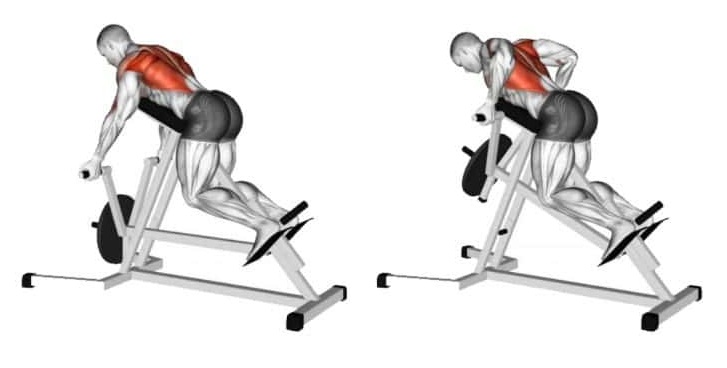
Muscles Worked
Primary Target
- Lats (lower, mid, and upper fibers depending on arm path)
Secondary
- Rhomboids
- Mid traps
- Lower traps (if pulling low-to-high)
- Rear delts
- Teres major
- Biceps & brachialis
- Forearms
- Long head of the triceps (as humeral extensor)
Stabilizers
- Minimal — the machine handles most of it
- Some core and oblique engagement (light)
This makes it a maximum-efficiency hypertrophy tool because nearly all of your energy goes into muscular output, not stabilization.
How to Perform the Chest-Supported Machine Row (Lat-Focused Version)
Below is the bodybuilder-optimized version meant specifically for targeting the lats.
- Set the Seat Height Correctly
This is the most important variable.
Your chest should be pressed firmly against the pad, with your head just above the top.
Correct height:
Your elbows should line up toward your lower ribs when your arms hang naturally.
If your elbows line up with your upper chest, you’ll bias traps more than lats.
- Choose the Right Grip
For lat bias:
✔ Neutral grip
✔ Semi-neutral / diagonal handles
✔ Underhand grip (on some machines)
These allow a low-elbow path and maximal lat involvement.
- Start With a Deep Stretch
Let the weight fully elongate the lats:
- Arms straight
- Shoulder blades “opened”
- Chest on the pad, no collapse
- Keep a slight arch (sternum up)
You should feel the stretch under the armpit and down the rib cage.
- Initiate the Pull With the Elbow, Not the Hand
This is crucial for lat growth.
Think:
“Drive the elbow down and back toward your hip.”
Not:
“Pull with your biceps.”
When done right, you’ll feel the lat contract before your arms bend.
- Squeeze the Lats Hard at Peak Contraction
Hold the peak for 1–2 seconds.
Focus on:
- pulling the elbow behind the torso
- keeping the wrist neutral
- keeping shoulders down and away from your ears
This is where the iso-lateral machines shine — contraction is clean and symmetrical.
- Lower Under Control (2–3 Seconds)
Slow eccentrics increase:
- mechanical tension
- motor unit recruitment
- hypertrophic stimulus
- lat stretch, which drives growth
Machine rows are perfect for controlled eccentrics because stability is high.

Common Mistakes That Ruin Lat Activation
❌ Mistake 1: Setting the seat too low
This forces a high-elbow path and shifts tension to mid traps and rhomboids.
Great for upper back.
Not great for lats.
❌ Mistake 2: Shrugging the shoulders while rowing
If your traps take over, your lats shut off.
Cue:
📌 “Shoulders stay down — elbows move.”
❌ Mistake 3: Letting the chest peel off the pad
This turns it into a sloppy row with momentum.
Chest stays glued to the pad. Always.
❌ Mistake 4: Letting the biceps dominate
If you think about “pulling the handle,” your arms will work too much.
Better cues:
✔ “Lead with the elbow.”
✔ “Pull with your back, not your hand.”
✔ “Elbow to hip.”
❌ Mistake 5: Cutting the range of motion short
The chest-supported row has one of the best stretch potentials of any row variation.
Don’t waste it.
How to Bias the Lats vs the Upper Back
For More Lats:
- Handle closer / neutral grip
- Elbows tucked 30–45°
- Elbow path: down and back
- Slight arch in lower back
- Think “drive elbow toward hip”
- Avoid shrugging
This creates a powerful combination of shoulder extension and adduction — the lats’ primary functions.
For More Upper Back / Traps:
- Wider grip
- Higher elbow path
- More spinal flexion/roundness
- Think “drive elbows out, not back”
This shifts tension upward.
Both versions are useful — but your article is lat-focused, so highlight the lat-biased technique.
Programming the Chest-Supported Machine Row
For Hypertrophy (Lats):
3–4 sets
8–12 reps
2–3 RIR early in the session, 0–1 RIR on last set
Focus on stretch + peak contraction.
For Strength-Endurance / Back Density:
3–5 sets
10–15 reps
1–2 RIR, controlled tempo
This works extremely well with machines because form doesn’t degrade as quickly.
For Lat Isolation / MMC Training:
2–3 sets
12–20 reps
Slow eccentrics
1–2 second hold at the top
Great as a finisher.
Training Strategies to Maximize Lat Growth
- Start Your Back Day With a Pulldown, Then Machine Row
This makes the machine row more effective because your lats are pre-activated.
Example:
- Straight-arm pulldown
- Chest-supported machine row
Perfect combination of stretch → contraction.
- Use One-Arm Rows for Symmetry
Most machines allow iso-lateral operation.
Try:
- 2 sets bilateral
- 1–2 sets each arm individually
This reduces dominant-side takeover and enhances mind–muscle connection.
- Use Rest-Pause to Improve Peak Contraction
One of the best hypertrophy techniques for this machine.
Example:
- Perform 8 reps to failure
- Rest 15 seconds
- Perform 3 more
- Rest 15 seconds
- Perform 2–3 more
Perfect for lat thickness.
- Try a “Stretch + Pump” Superset
Great combo:
- Chest-supported machine row (8–10 reps)
- Straight-arm pulldown (12–20 reps)
You get:
- Peak contraction → lat isolation
- Deep stretch → metabolic stress
- Full-length tension → maximum hypertrophy
Who Should Prioritize the Chest-Supported Machine Row?
Ideal For:
✔ Bodybuilders who want maximum lat/mid-back growth
✔ Lifters with lower-back issues
✔ Tall lifters who struggle with barbell rows
✔ Beginners who need stable environments
✔ Advanced lifters who want strict tension
✔ Anyone whose biceps dominate dumbbell rows
Not Ideal For:
❌ Lifters seeking extreme overload with momentum
❌ Minimal-equipment home gym setups
❌ Those who bias upper back with wide grips (they can still use it — but adjust setup)
Practical Takeaways for All Lifters
✔ For Beginners:
Use machine rows as a foundational movement to learn proper pulling mechanics.
✔ For Intermediate Lifters:
Vary grip and elbow paths to emphasize lats or upper back on different phases of your program.
✔ For Advanced Lifters:
Use it as a primary lat-builder with heavy, strict sets and advanced intensifiers like rest-pause or iso-holds.
✔ For Bodybuilders:
This machine allows you to push right to failure with minimal risk — one of the best pieces of equipment for lat sweep and back thickness.
Conclusion
The Chest-Supported Machine Row is one of the purest lat-and-mid-back hypertrophy tools available. It removes momentum, protects the spine, stabilizes your torso, and delivers controlled, repeatable tension exactly where you want it — deep into the lats and upper back.
If your goal is a thick, wide, dense, and symmetrical back — the kind of physique that dominates bodybuilding stages and fills out shirts effortlessly — then this movement deserves a permanent spot in your program.
You can load it heavy.
You can train it to failure.
You can adjust it to target any part of the back.
And you can rely on it for consistent progression over years, not weeks.
It’s a bodybuilding staple for a reason.